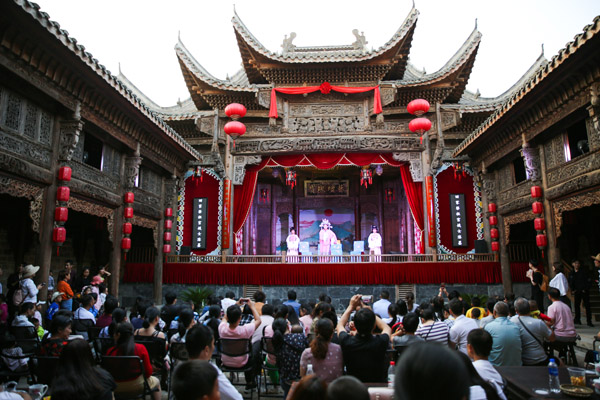
Huagu Opera
Introduction
Huagu Opera, also known as "flower-drum" opera, is a traditional Chinese opera form originating from Hunan province. Recognized for its vibrant performances, Huagu Opera combines elements of singing, dancing, and acting, often characterized by its lively and humorous themes. It has become a significant cultural expression within the region, representing the daily lives and struggles of ordinary people. As a form of folk art, Huagu Opera reflects the socio-cultural landscape of Hunan, drawing inspiration from local folklore, historical narratives, and contemporary tales. Over the years, it has evolved, adapting to modern influences while preserving its traditional roots.
History
The origins of Huagu Opera trace back several centuries, evolving from local folk songs and dances performed by amateur artists in rural communities. Initially, it was a popular form of entertainment during festivals, weddings, and other celebrations. In the 1950s, Huagu Opera gained formal recognition and institutional support, leading to the establishment of professional troupes. The Hunan Song and Dance Ensemble's Huagu Opera group, founded in May 1953, played a pivotal role in promoting the art form. Despite facing challenges during the market economy shift in the 1980s, efforts to preserve and revitalize Huagu Opera have been ongoing, with digital recordings and modern adaptations helping to sustain its legacy.
Characteristics
Huagu Opera is renowned for its dynamic and engaging performances, featuring a unique blend of music, dance, and storytelling. It is characterized by its humorous and lively style, often depicting everyday life and social issues with wit and satire. The performances are marked by vibrant costumes, expressive gestures, and rhythmic drum beats, which accompany the actors' movements. The opera's language is typically in the local dialect, adding authenticity and cultural resonance to the narratives. Each performance is a carefully crafted combination of traditional elements and contemporary themes, making Huagu Opera both a historical artifact and a living art form.
Music and Instruments
Musical Styles
The musical aspect of Huagu Opera is integral to its appeal, combining traditional Chinese melodies with regional folk tunes. The music is both rhythmic and melodic, often reflecting the emotional tone and pace of the narrative. Songs in Huagu Opera are typically structured in a verse-chorus format, with the chorus being particularly catchy and memorable. The melodies are simple yet expressive, allowing performers to convey a wide range of emotions. The interplay between vocal delivery and instrumental accompaniment creates a rich auditory experience, engaging audiences through both sound and story.
Instruments Used
The instrumentation in Huagu Opera features a variety of traditional Chinese instruments that contribute to its distinctive sound. Commonly used instruments include the erhu (a two-stringed bowed instrument), pipa (a four-stringed lute), and dizi (a transverse bamboo flute). Percussion instruments, such as drums and cymbals, play a crucial role in setting the rhythm and enhancing dramatic moments within the performance. The integration of these instruments creates a harmonious blend that complements the vocal performances, providing both a musical foundation and a dynamic auditory landscape for the opera.
Performance
Costumes
Costumes in Huagu Opera are an essential visual component, enhancing the storytelling and character portrayal. They are typically colorful and elaborate, reflecting the traditional attire of the region and the specific roles within the narrative. The costumes often include elements like embroidered patterns, flowing sleeves, and headpieces, each chosen to convey the character's status, personality, and emotional state. The visual spectacle of the costumes, combined with the actors' movements, adds a layer of depth and authenticity to the performance, making it a feast for the eyes as well as the ears.
Notable Performances
Huagu Opera has seen numerous notable performances that have contributed to its popularity and critical acclaim. One of the most recognized performances is Story of a Cousin, which won the Wenhua Award at the 7th China Arts Festival in 2004. Other distinguished plays include Peach Blossom Flood, which also received the Wenhua Award, and Liu Hai Playing with the Golden Toad, performed internationally with great success. These productions highlight the opera's ability to resonate with audiences both domestically and internationally, showcasing its versatility and enduring appeal.








